
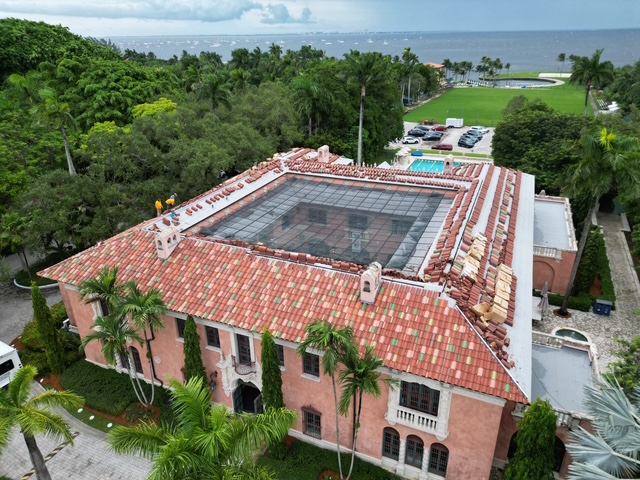
Roof Loading: Why Professional Blending Sets the Stage for a Flawless Finish
A beautiful tile roof begins long before the first tile is set. It begins on the ground with a plan to move thousands of pounds of custom color material onto a structure safely, in sequence, and in a way that protects the look of the finished roof. That plan has a name: roof Loading.
For custom-colored tile roofs, roof loading is not only a logistical task. It is a crucial step that determines how your color story is perceived from the street. When the loading crew manages shade ranges, pallet rotation, and placement across slopes before installation, the roof installs cleaner and finishes with a balanced, intentional blend. When they do not, you see it. Blocks of darker or lighter tones collect in one area, the hips and ridges look off, and the roof loses the dimensional beauty you paid for.
This is why Anusbigian Sales consistently recommends hiring a professional roof loading company for custom color projects. The right team, whether the roofing contractor, or a roof loading company, treats loading like a craft of its own, with a process that respects the design intent for the aesthetics desired by the architect, designer, and/or homeowner. Proper blending helps ensure the ultimate look that the property owner invested in when they selected a particular color or colors.
This process prevents the late discover that shade, tone, or color dominates or is over-represented on a single slope, which can negate the objective desired from the painstaking process of color selection. Proper blending gives confidence that the outcome did not happen by chance.
What Roof Loading Really Does for a Custom Color Roof
Roof loading is the staged movement of tiles from the truck to the roof, allowing crews to work efficiently and safely. On a standard single color tile, loading focuses on weight distribution, logistics around lifts, and access for installers. With a custom color tile, loading takes on an additional responsibility. The crew must equalize color distribution before a single tile is fastened.
Professional loaders read batch numbers, shade tags, and production lots. They break down pallets so that a given square includes a healthy mix of the entire color range. They place blends where they will be seen first. They reserve consistent tones for hips, ridges, and cut areas. They think ahead about where water will travel, where the sun will hit, and how transitions should look from grade to grade. When loading is done well, the foreman can pull from almost any stack within a work zone and still achieve the intended blend.
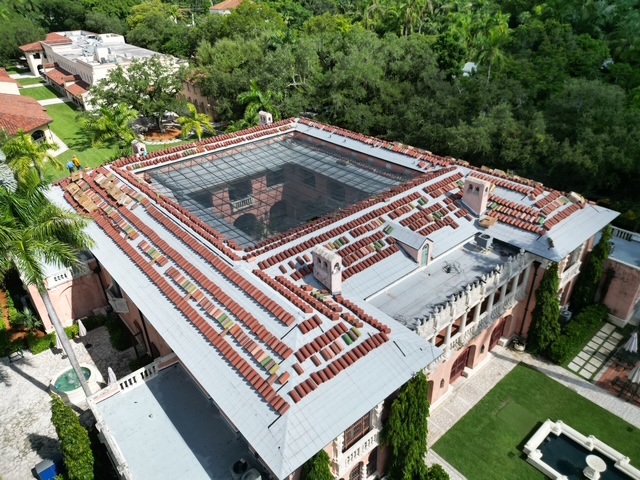
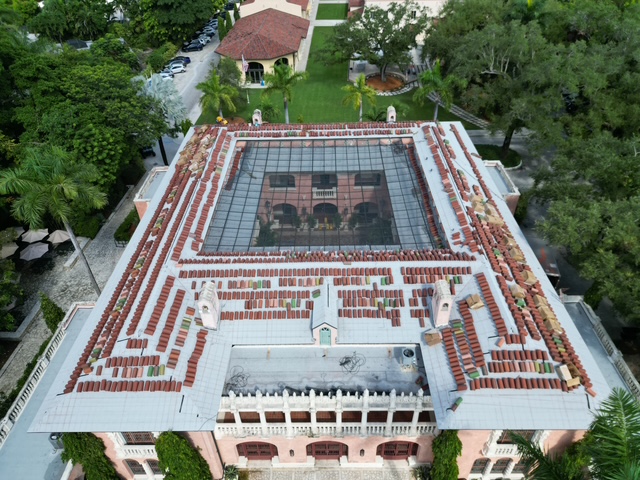
The Risks of Skipping Professional Loading
Skipping professional roof loading often looks like a cost savings in the bid stage. In reality, it can inflate costs and compress the schedule in all the wrong places.
- Installers wind up doing the blending on the fly, which slows production and invites mistakes.
- Pallets get exhausted in order, which can put a single shade range on a single portion of a slope.
- The finish can reveal color banding that only shows once the roof is fully visible from the ground.
- Corrective work becomes difficult and expensive, as reblending after installation can require tile removal, color swaps, and labor that was never part of the plan.
Most importantly, the visual quality of the custom color is compromised. Custom colors exist to create depth, movement, and a crafted look. If loading does not support that intention, the value of the upgrade is lost he moment the roof is finished.
How a Professional Roof Loading Company Blends Before You Build
Professional roof loading teams follow a repeatable process that aligns safety, schedule, and design outcome. Here is how that process typically looks when custom colors are in play.
Preload Walkthrough and Plan
The loader and the roofing contractor meet on site to confirm deck readiness, access points for the boom truck, and staging zones. They identify the slopes, dormers, and sightlines that matter most. They note any structural considerations, such as truss spacing or areas where weight must be spread with extra care. For custom color, they also review the blend intent. If the architect has a mockup or the homeowner has selected a preferred ratio of tones, the loader captures that in the plan.
Pallet Audit and Shade Range Mapping
Once the truck arrives, the crew audits pallets. They match batch numbers, shade tags, and production dates. The goal is to define the full range of the custom color before any tile touches the roof. A good loader will chart which pallets skew darker, which lean lighter, and which sit in the middle. They will inspect for shipping rub or surface scuffing and set aside any units that need special placement in less prominent areas.
Breakdowns That Preserve the Blend
Rather than hoisting whole pallets to a single spot, professional loaders break pallets into smaller, balanced lots. Each lot contains a representative mix of shades. This ensures that any installer pulling from that lot contributes to a consistent blend without overthinking it. In practical terms, it puts quality control into the loading step, which is where it belongs.
Weight Distribution That Respects the Structure
Tile is heavy. Controlling where weight sits on the deck keeps the building safe and prevents damage before installation. Professional loaders spread the weight across rafters and trusses, avoid stacking on unsupported spans, and leave paths for crews. They watch the weather and stage materials so that rain does not pool under shrink wrap or collect in valleys. They minimize the number of times a unit is handled, which protects both the deck and the tile.
Slope by Slope Color Equalization
The roof is not one canvas. It is many. Each slope reads independently from the street and from interior windows. A loading pro keeps that front of mind. They ensure the front elevation receives the same range of tones as the back. They do not allow the south slope to run richer while the north slope runs pale. The plan equalizes shades across hip to hip and ridge to eave, so the house presents a unified story from every angle.
Strategic Reserves for Hips, Ridges, and Details
Hips, ridges, rakes, and cut areas need visual consistency. Professionals hold back enough of the median tones to cover those linear details. That way, hips do not jump a shade at the halfway point, and the ridge looks like a seamless top line. For decorative features such as turrets or eyebrow formers, they create micro blends that echo the main field without drawing odd attention.
Why Equal Dispersal of Custom Color Tiles Matters
Equal dispersal is a phrase that sounds simple. In practice, it is the core of the custom color experience. Custom colors are created to deliver movement across the roof. That movement only looks natural when shades repeat at a rhythm that matches the eye.
Uneven dispersal avoids that by making sure each square inherits the full palette in the right proportions. When installers climb onto a properly loaded roof, the color plan is already set. They can lay tile in courses that flow without stopping to correct for shade piles or for pallet gaps.
There is also a maintenance angle. A roof that begins life with a balanced blend will age gracefully. Natural weathering and sun exposure soften tones over time. When each slope begins in balance, the change appears uniform. When a slope starts with a concentration of a single shade, it can age at a different visual pace, which keeps the roof from looking cohesive in later years.
The Collaboration Between Loader and Installer
Great custom color outcomes come from collaboration. A professional loading company does not replace the roofing contractor. It empowers them.
The loader sets the canvas. The installer paints. The loader creates even dispersal, logical work zones, and reserves for details. The installer uses that staging to install courses with clean lines, tight headlaps, and correct fastening per the manufacturer’s requirements. The two roles should be in conversation across day one, day two, and day three, adjusting field pulls as sightlines and lighting reveal how the blend reads from the ground.
When this partnership is in place, quality rises and schedules stabilize. The crew spends more time installing and less time troubleshooting. Punch lists get shorter. The homeowner experiences a smoother project and a finish that matches the submittals.
Safety, Equipment, and Site Protection
Roof loading is a technical trade. Certified operators run boom trucks with a clear lift plan. Spotters monitor overhead lines and tree limbs. Loaders use fall protection when stepping onto the deck and protect the roof penetrations, valleys, and eaves during staging. They carry insurance that addresses the real risks of moving heavy material onto a structure.
Site protection matters too. Professional loaders protect driveways from point loads with mats, keep landscaping safe, and maintain clean staging zones that allow deliveries and trades to function. They schedule lifts to minimize noise at sensitive hours and communicate with the general contractor about sequencing when other trades are present.
How Load Planning Protects Schedule and Budget
Every custom color roof has a critical path. The faster the crew can start clean, the more predictable the schedule becomes.
Preplanned loading ensures the right materials are in the right place on the right day. It eliminates the scavenger hunt for median tones when it is time to build hips and ridges. It avoids the late discovery that a dominant shade collected on a single slope. It reduces the likelihood of rework, which is typically the most expensive line item on any project. Even when a professional loading company adds a line to the budget, it often reduces total cost by protecting labor productivity and finished quality.
Documentation, Traceability, and Warranty Confidence
Professional loading teams document the work. They photograph pallet tags, record batch mixes per slope, and note where reserves have been staged. That documentation helps the contractor manage inventory, helps the homeowner understand the care taken with a premium material, and supports any future warranty conversations.
When an owner chooses a custom color, they are investing in an outcome. Traceable blending gives confidence that the outcome did not happen by chance. It also streamlines future maintenance. If a repair area requires a few replacement pieces, the records show which shade range dominated that slope and which mix will keep the patch invisible.
Answers to Common Questions About Custom Color Roof Loading
Can installers blend on the roof without a professional loader?
They can. The question is whether they should on a custom color project. Crews have limited time and space on the deck. When blending is left to installation, it often becomes reactive. A professional loading company allows installers to focus on what only they can do best. They install tile with correct headlaps, straight courses, and precise flashing. That is where their attention belongs.
What if the project uses both field and distinct accent pieces?
Professional loaders separate accent units and mark them for the zones where they belong. They avoid the common mistake of letting accent pieces drip into the standard field. They also ensure that accent quantities match the design per slop, so a front gable does not receive a richer accent than a rear gable unless the designer wants it that way.
How do loaders handle weather during staging?
They watch the forecast and stage accordingly. If heavy rain is expected, they do not stack near valleys or low points where water can collect. They secure a wrap so moisture does not trap under plastic. They plan lift timing to keep the deck clear for installers immediately after precipitation passes.
Does equal dispersal change with roof geometry?
Yes. Equal dispersal is not simply a count of shades per square. Geometry changes what the eye reads. A large, uninterrupted plane needs a slightly wider rhythm of tones to avoid visual banding. Smaller planes, such as dormers, require a tighter, more consistent mix to avoid a spotty appearance. Professional loaders adjust their strategy based on slope size, pitch, and sightline.
The Visual Payoff: How Blending Supports Architectural Intent
Architecture and Design is a series of decisions that add up to a feeling. Roof color is one of the biggest contributors to that feeling. Colors give architects the ability to echo stone, relate to stucco, or create gentle contrast with trim and fenestration. Blending translates that design intention onto the roof.
Think of a Mediterranean revival home with varied plaster tones. A well-blended custom tile roof picks up those subtle shifts and makes the house feel collected. Think of a coastal elevation with a clean white field. A balanced tile blend delivers depth without noise, which keeps the home calm rather than busy. These outcomes do not happen by accident. They begin when the loader breaks down pallets with the finish line in mind.
Blending Ludowici Tiles – Proper blending is critical to a beautiful Ludowici installation
Even single colors of Ludowici must be blended. To make sure the color is blended properly, the loaders should pull tile from 4 different pallets to load their stacks. For example, if their stacks are 8 tiles per stack, each stack should have 2 tiles from pallet #1, #2, #3, and #4. If stacks are 12 tiles per stack, each stack should have 2 tiles from pallet #1, #2, #3, and #4.
Blending
- Blending is one of the most important aspects of correctly installing a Ludowici tile roof.
- Whether installing a single color or multiple colors ALL LUDOWICI ROOFS MUST BE BLENDED.
- Colors within a given shipment of Ludowici clay roof tile will vary slightly due to subtle changes in clay composition and kiln firing temperatures.
- Such color variances are not a defect but a naturally desirable feature that gives roofs depth and character.
- Unless the architect or owner specifies a pattern, there should be no visible pattern or hot spots on the roof.
- Ludowici does not pre-blend the tile.
- It is the roofer’s responsibility to evaluate the tiles for color shade and range and then properly blend them to achieve a harmonious color roof without blotches, hotspots, or patterns.
- The person responsible for the blending of the shades of color should randomly select tiles from at least four different pallets. After the installation of about 75-100 tiles, the roof should be inspected from the ground at a distance greater than 40 feet to determine that there are no streaks or blotches.
- To ensure a good range of tones, this inspection must be done at regular intervals.
- NOTE: When nearing the end of the project if it’s determined that additional material will be needed to complete the roof, reserve several pallets of the initial shipment to blend with later shipments to maintain a consistent range.
Color Blending with Different Colors of Tile:
This would be if you used 2 or more different colors blended together.
- Blending different tile colors can provide a unique and aesthetically pleasing roof.
- Make a drawing to detail the layout and to help determine the proper number of tiles of each color.
- In order to maintain the correct color blend, pull tiles from the different pallets of each color.
- Premix these piles in the desired percentage and load the roof one square at a time.
- This will provide an even distribution.
- Additional care should be taken by the roofer laying the tiles to avoid clumping of a single color or range.
- After the installation of about 75-100 tiles, the roof should be inspected from the ground at a distance greater than 40 feet to determine that there are no streaks or blotches.
- To ensure a good color blend, this inspection must be done at regular intervals.
- NOTE: It may be helpful to lay the tile blend out on the ground so the installer has a visual example.
- Make one person responsible for the ongoing and end result of the blending.
Make blending a part of the plan, not an expensive afterthought.
Field Tips That Separate Good Loading from Great Loading
The difference between a good loading job and a great one often lies in small habits. Professionals practice the following without calling attention to it.
They rotate pallets across every lift so that no slope receives a run of a single batch. They keep like tones slightly separated in stacks so the crew does not unconsciously pull similar pieces in sequence. They stage field tile for the next day at the end of each shift to set installers up for a clean start. They walk the street and view the blend with the same eye a homeowner will use, then make micro adjustments before work resumes.
These are quiet practices. You do not see them as line items on an estimate. You feel them when the roof is finished and the house looks right.
Bringing It All Together on Your Next Project
If you plan a custom color tile roof, include professional roof loading at the very beginning of the conversation. Ask for the loader’s plan. Ask how they will equalize shade ranges per slope. Ask what documentation they provide and how they coordinate with your installer. Frame the investment as what it truly is. Insurance for the outcome you want.
At Anusbigian Sales, we watch projects succeed when teams treat loading as a design safeguard. The move from truck to deck is when your custom color’s character is protected. Hire a loading company that understands that truth, and you will see the difference every time you pull into the driveway.
How Anusbigian Sales Supports Successful Roof Loading
Our team supports every stage of a custom color project, including roof loading. We help contractors and homeowners understand the blend intent behind each color line. We can recommend professional loading companies that know how to balance shade ranges, protect the structure, and prepare the installers for a clean start. We coordinate on technical guidance and with contractors on logistics so that the plan on paper becomes the roof on your home.
When the finish matters, the process matters first. Start with roof loading, and the rest of the build has a clear path.
Custom color tile is chosen for a reason. It expresses taste and respects architecture. Equal dispersal turns that choice into a consistent, lasting impression. Make it part of the plan, not an afterthought. Invite a professional roof loading company into the process, and let the blend show what it can do.
About Anusbigian Sales
Anusbigian Sales is proud to support roofing professionals across South Florida with premium products from CertainTeed and Ludowici, technical expertise, and marketing insights that help you grow your business. From product knowledge to sales and technical support, we’re your partner in elevating craftsmanship—and capturing it, too.
Ready to showcase your project? Contact us today, and let us help you take your roofing business to new heights.
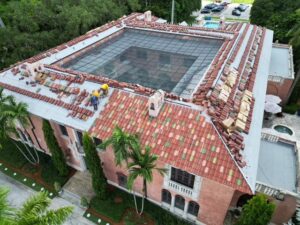
*****Images include:
- Roofing Contractor: M. Romero’s Roofing – Miami
- Roof Loading Company: Distinctive Loaders – Pompano Beach
- Ludowici Roof Tile: Straight Barrel Mission 18-3/8″ in a 6-Color Blend with two Custom Colors.
